Our Program
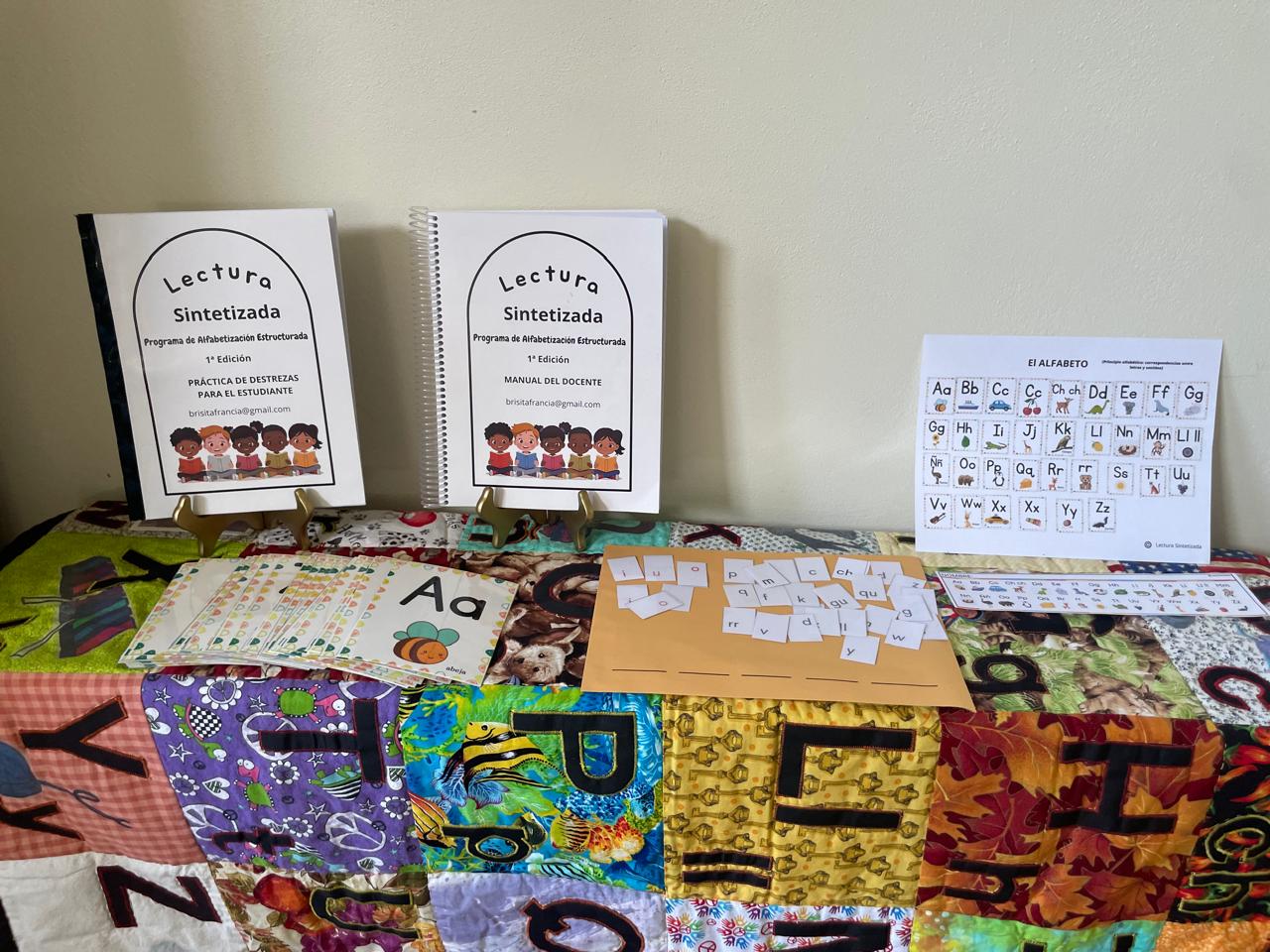
Lectura Sintetizada
A structured, science-based literacy program built for beginning readers and children with reading disabilities like dyslexia — created for the Spanish alphabetic code.
The Foundation
Grounded in the science of reading.
Lectura Sintetizada is built on the science of reading — the body of research into how the brain actually learns to read. That research points to five essential components of effective reading instruction: phonological awareness, phonics, fluency, vocabulary, and comprehension.
The program's teaching manual, first published as a complete curriculum for Spanish literacy instruction, is structured literacy in practice: systematic and explicit, multisensory, and diagnostic — teaching is sequenced from simple to complex, engages sight, sound, and movement together, and adjusts to each student's progress rather than assuming one pace fits all.
That manual — and every future edition of it — is the foundation the entire program is built on.
How It Works
Three ways we bring Lectura Sintetizada into classrooms.
Train the Teachers
We train classroom teachers directly, so the program lives inside the school system long after we've moved on — not dependent on outside volunteers.
Provide the Materials
Every partner school receives free teacher manuals and student practice workbooks, plus assessments to track each student's progress through the year.
Work With Students
Our team works directly with students as well — especially those who are struggling or have been identified with a reading disability like dyslexia.
Built for Every Learner
Designed with children who have dyslexia and other reading disabilities in mind.
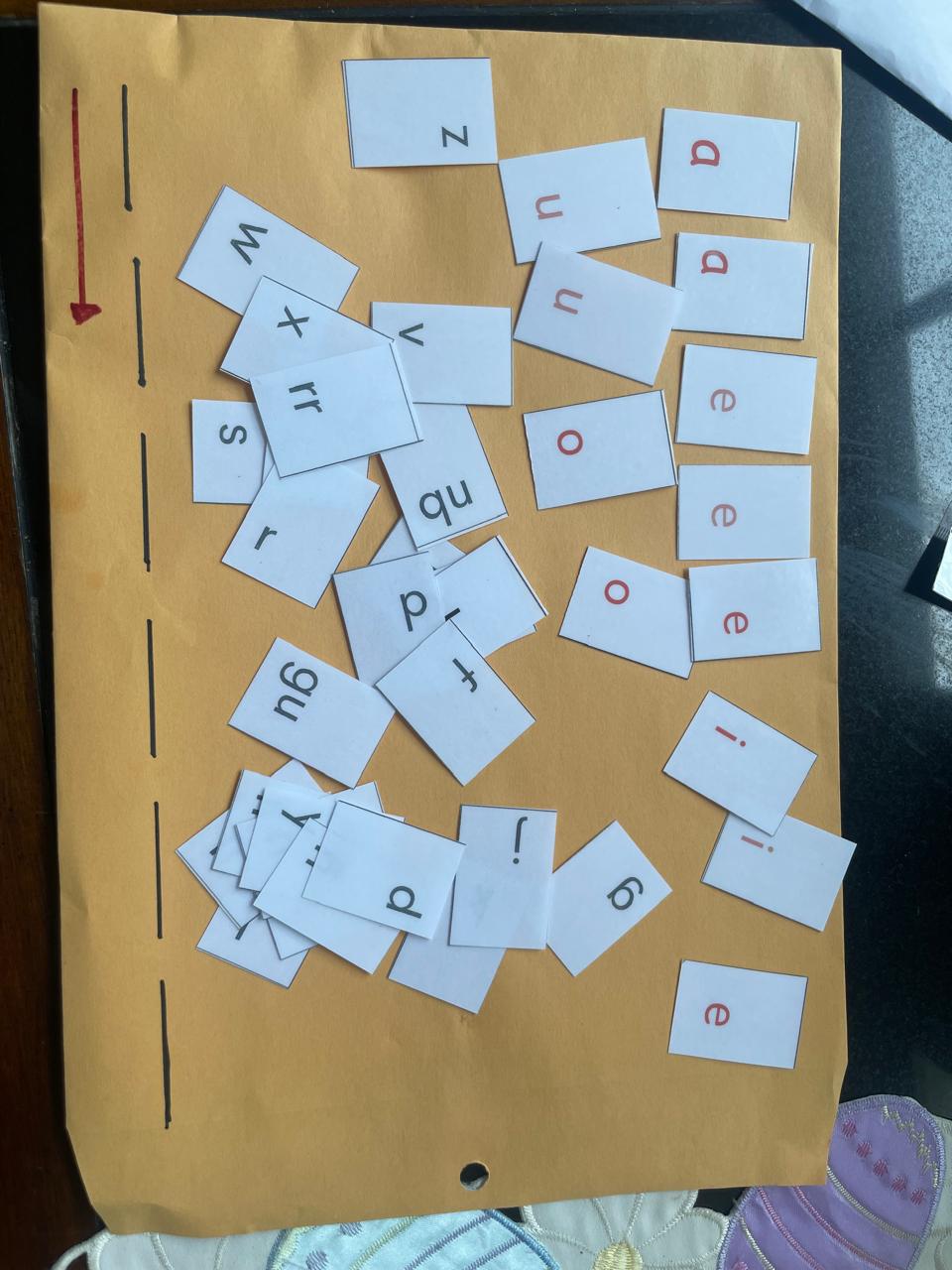
Many children are told to just "try harder" at reading, when what they actually need is a different way in. Lectura Sintetizada teaches the sounds and structure of Spanish explicitly and multisensorially — through sight, sound, touch, and movement — rather than assuming students will absorb it through repetition alone.
Regular progress monitoring and assessments (at the start, middle, and end of the school year) help teachers catch students who are falling behind early, and adjust instruction before a child is passed along without ever learning to read.
Our Partnership
Working hand-in-hand with the Dominican Republic's Ministry of Education.
Founder Francia Brisita met directly with the Dominican Ministry of Education to launch a nationwide effort to address illiteracy in schools. What started as a pilot in two towns in 2020 has grown, year by year and edition by edition, into a program now used in schools across the Dominican Republic — with Panama, Francia's home country, next on the roadmap.
Help Us Expand